NCR Black Swamp Division (Div 1) Officers
Superintendent - Marshall Stull Assistant Superintendent - Brian Burr Chief Clerk - Ray Huber Treasurer - Randy Bosscher Trainmaster for Services - Steve Glass Director At Large - David McMullian Director At Large - Tony Kukwa
Appointments and Helpers
AP Program - Ron Gilbert Editor/Webmaster - Marshall Stull AV/Computer Support - Steve Glass AV/Computer Support - Steve Richwine New Member Outreach - Steve Kapela
We Need Help!
We need stuff for the Train Order! Please submit any article/photo/information/news to the editor. any kind of information is great, please tell us what you are up to!! Even if it's just a photo of your layout, something you saw, or what's on your worktable we would love to see it.
Sharing is the best way to spread the hobby and ideas.
 Train Order
Our mission is to promote education and fellowship through the sharing of information and the promotion of the world's greatest hobby. - Model Railroading.
From the Editor
As we move into March, many of us are beginning to emerge from our deep winter modeling season and transitioning to our out door projects as the weather warms. The colder months are often when the most progress happens on our layouts, rolling stock, and other model railroading projects. One of the great things about our Division meetings is the opportunity to share those projects with fellow modelers.
Our Show & Tell segment continues to be one of the highlights of each meeting. Whether it's a newly weathered freight car, a structure project, electronics work, or a layout update, members always bring interesting ideas and techniques to the table. Even a small project can spark helpful discussion or inspire someone else to try a new approach.
The Q&A portion of the meeting has also proven to be a valuable exchange of knowledge. Model railroading covers a wide range of skills (from carpentry and electronics to research and scenery) and chances are good that someone in the room has already solved the problem you may be working on.
Don't forget the Rip Track table as well. It has become a great way for members to pass along items they no longer need while helping someone else find the parts or equipment they have been looking for.
As always, the Train Order depends on contributions from members. If you have photos of a project, progress on your layout, or an interesting prototype railroad subject, please consider sharing it. Even a short write-up with a couple of photos helps keep the newsletter interesting and reflects the many talents within our division.
We look forward to seeing everyone at the next meeting and hearing about what you've been working on.
WANTED! - Photos, Articles, News for the Train Order!! Send a photo and a small description. It does not need to be professional, just jot it down in an email and fire away. Any content is welcome. Email any content, ideas or news to the editor at blackswampdiv@div1.ncrnmra.org.
View from the Cab
One of the strengths of our Division 1 meetings is the opportunity to learn from one another. Our group includes modelers with a wide range of skills and interests - from scenery and structures to electronics, operations, and prototype research. While many members come to listen and enjoy the clinic presentations, our meetings are at their best when more people take part in the discussion and share what they're working on.
Participation doesn't need to mean giving a formal presentation. Bringing a small project to Show & Tell, asking a question during the Q&A session, or sharing a modeling challenge you're working through can spark helpful discussion for everyone in the room. Often the projects that generate the most conversation are the simple ones - something new you tried, a problem you solved, or even something that didn't work the way you expected.
One activity currently underway (with the reveal at our next meeting) is our Flat Car Load Build Challenge. This is a great opportunity for members to exercise a bit of creativity and modeling skill while working within a simple theme. Flat car loads are a classic part of railroad operations, and they offer endless possibilities - from machinery and construction materials to military equipment, lumber, or unique industrial shipments. Challenges like this are a fun way to encourage modeling projects and to see how different modelers approach the same idea. Even if you did not finish (and I am one that is having trouble finishing on time), bring what you did and share what did not go right or what challenges you had. This help everyone learn and understand things can happen and its all a learing experiance! More details about the challenge are in the article below.
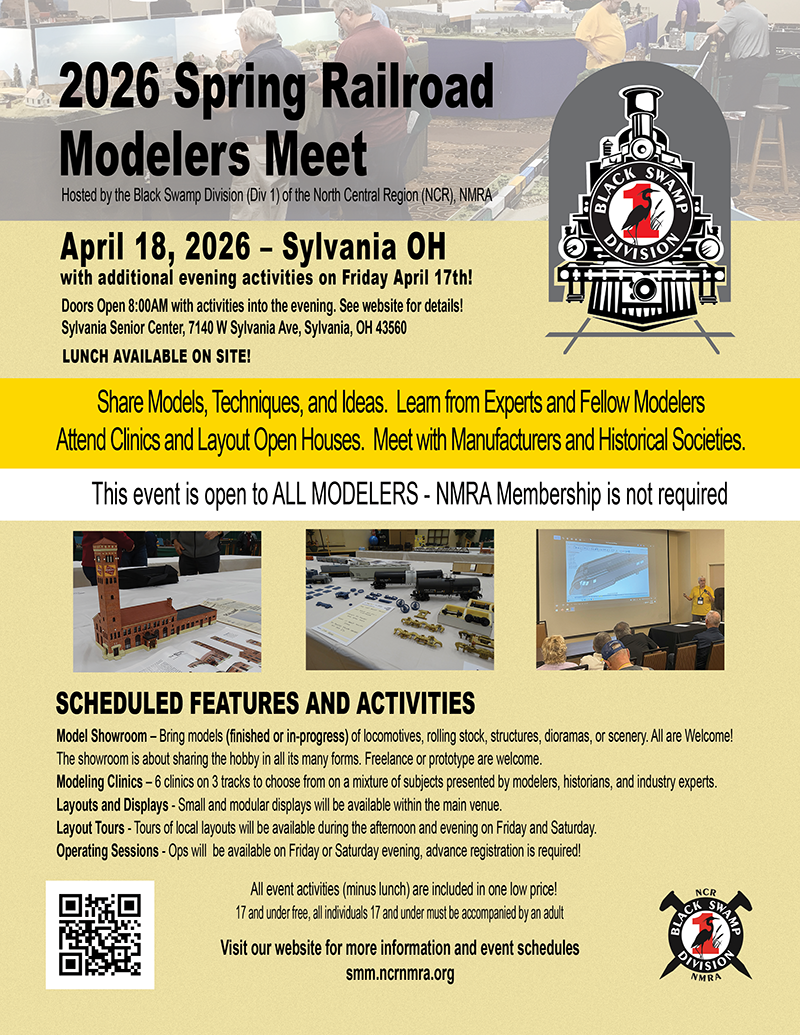
Looking ahead, the Spring Modelers Meet is another highlight of the season. Events like this provide a great opportunity to see layouts, attend clinics, browse vendors, and spend time with fellow hobbyists from across the region. For many of us, it's also a chance to gather new ideas and inspiration that eventually find their way onto our own layouts. We need your support with this event! Please join us on April 18th!
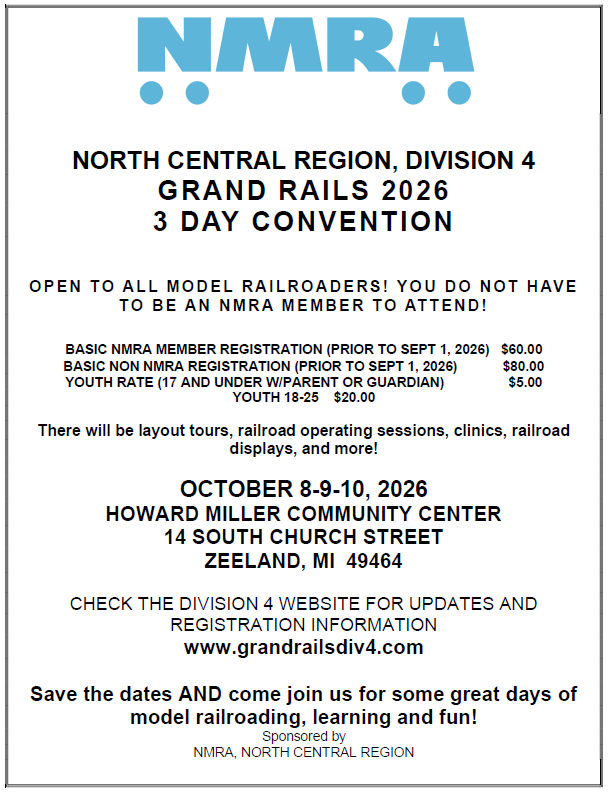
The summer break will be upon us soon and planning is happening for our 2026 Summer Outing. Each year we try to organize a visit to a railroad or model railroading related location where members can spend time together outside of the regular meeting setting. These outings have become a favorite division tradition and are a great way to combine learning, fellowship, and a shared appreciation for railroading. We will explore options at the March Meeting so come prepaired to discuss options.
As always, I encourage members to bring projects for Show & Tell, participate in the discussions, and take advantage of the knowledge and experience within our group. The more we share with each other, the more we all learn and the more enjoyable the hobby becomes.
I look forward to seeing everyone at the next meeting.
Marshall Stull,
mstull@marshallstull.com
Superintendent
Clinic Corner - 2026 Build Challenge
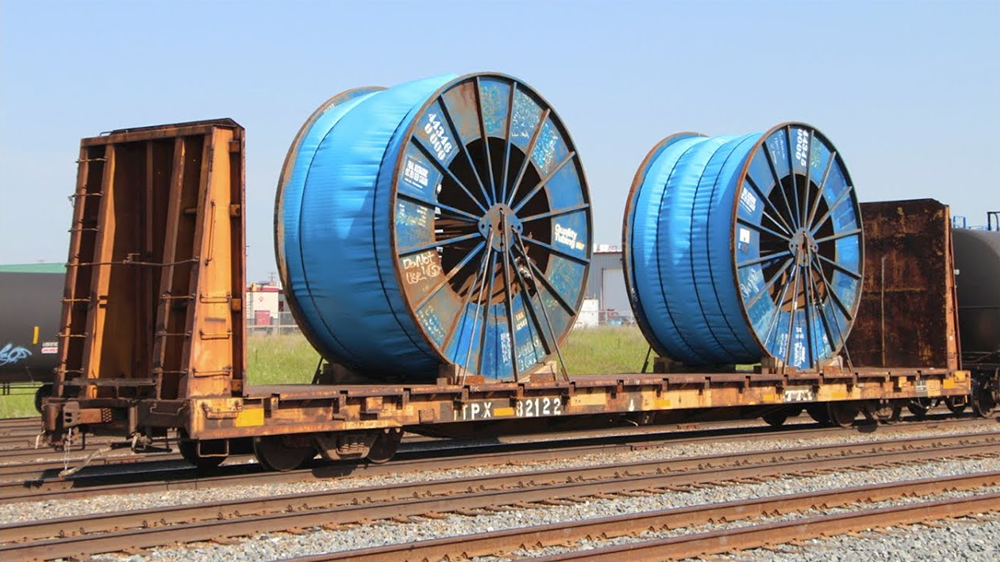
The March 27th meeting is where our members can show the results of the 2026 Build Challenge! This year's goal was to make a flat car with a visible load. This can be any scale!
A $15 gift card for materials will be given to each participant. The gift card will only be provided AFTER the finished model is displayed.
Participation will also put you in a drawing for an additional $25 visa gift card.
It is recommended that you consider the load and weight restrictions as printed on your car. In other words, make sure you are within the load capacity posted on the car.
Here are the rules for the challenge:
- Completed model with load must be a new build (parts can be from storage or kitbashed)
- Model must be presented at the March 27th meeting
- Any scale/gauge is allowed
- $15 visa gift card will be awarded to each participant
- All entrants will be entered into an additional raffle for an extra $25 visa gift card
The goal of this challenge is not to be a contest but to inspire as many members as possible to do a model and share it with the group.
Even if you started the challenge but for whatever reason could not finish in time, please bring what you have as part of show and tell. It is still a great learning experiance for you and the other members.
March 27th Meeting Agenda
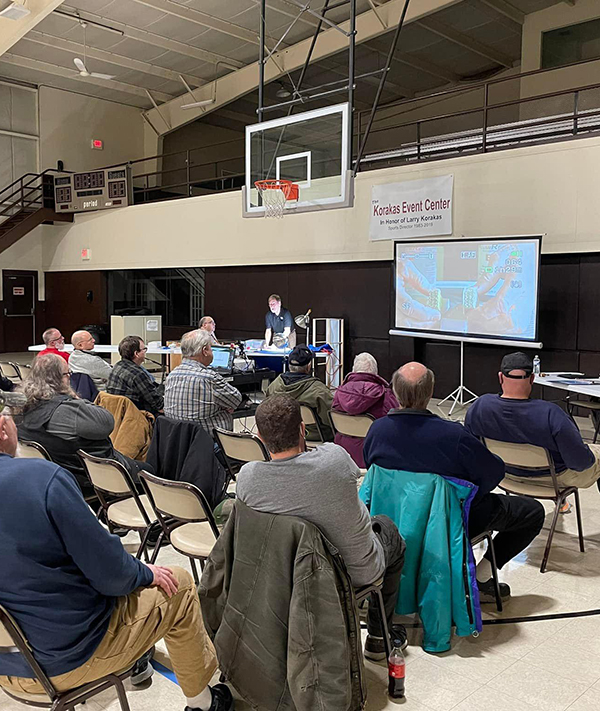
Here is a quick breakdown of what to expect at the meeting:
- Rip Track Table - Have items you want to sell or just give away? Put them on the table
- Business
- Q&A - Ask our members about anything
- Show and Tell
- Break
- Door Prizes
- Clinic - 2026 Build Challenge
- Closing Remarks - Announcements and Open Discussion Points
The lighter side of the hobby
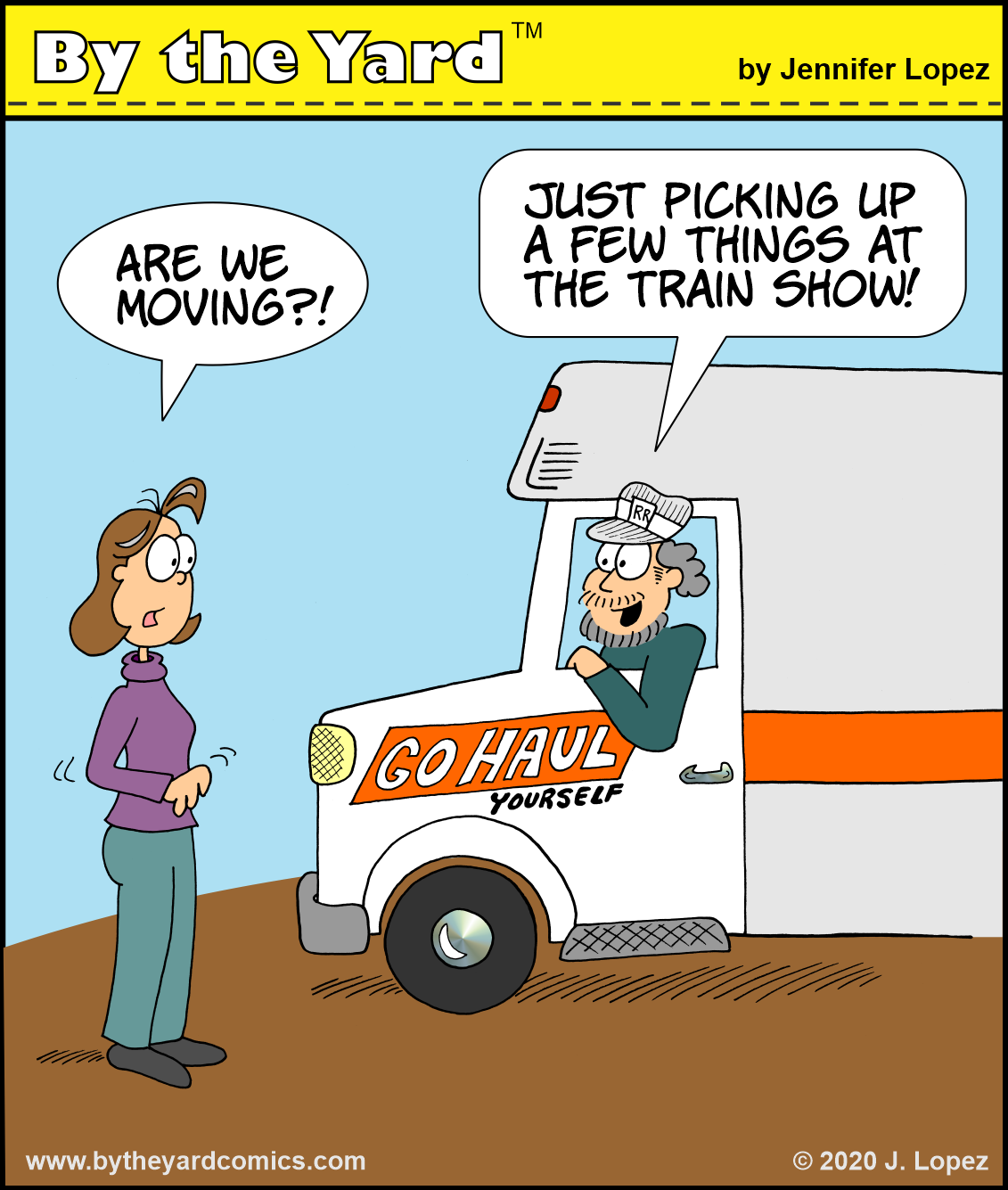
February Meeting Highlights
The following items were brought for Show and Tell in January;
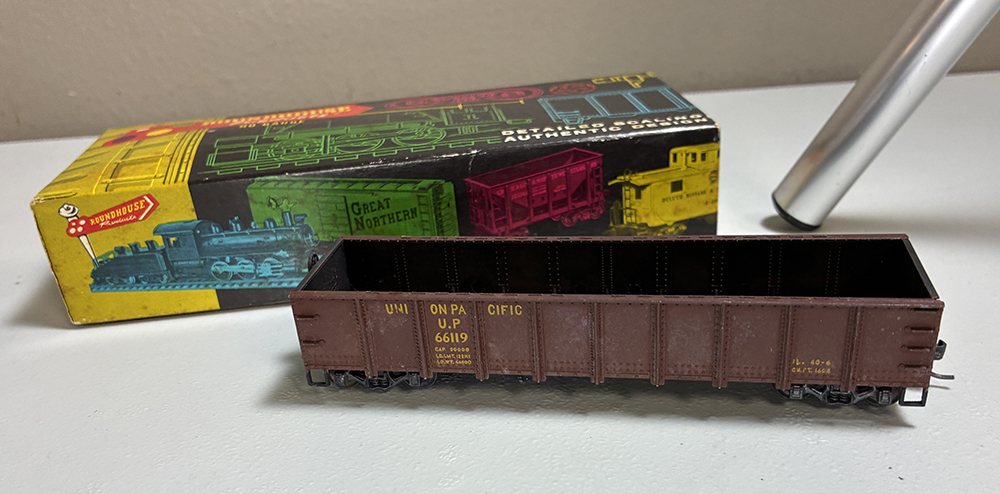
Steve Glass displayed some older Roundhouse high side Gondolas he reworked and repainted.
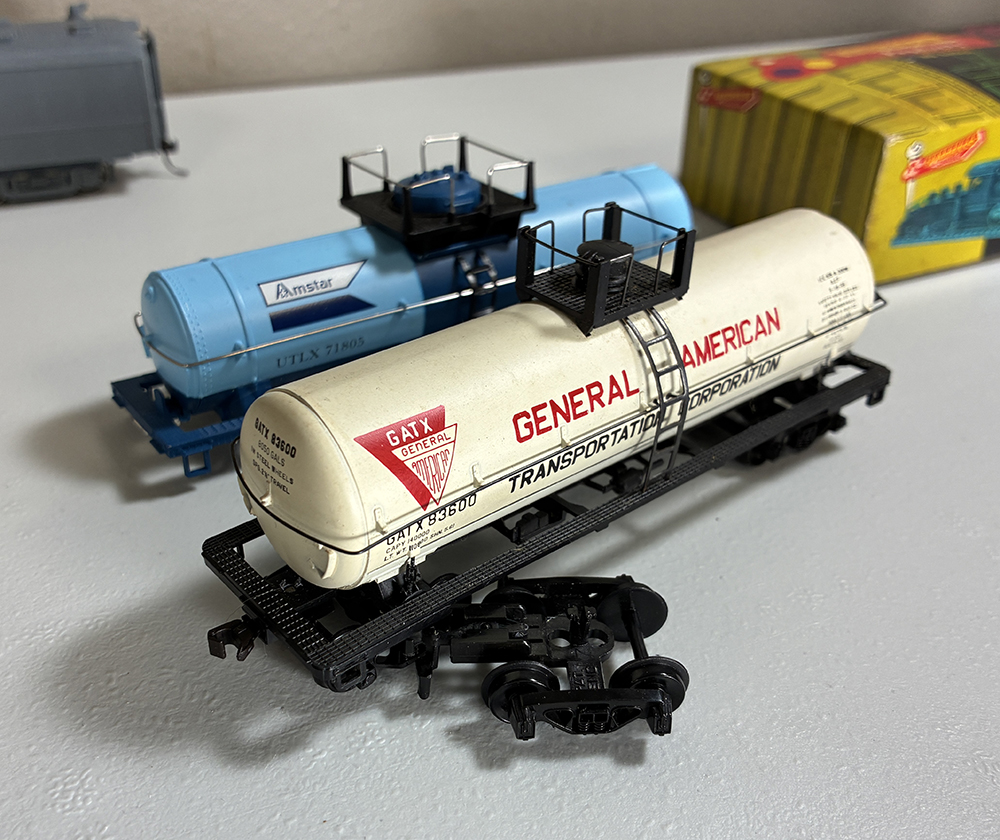
Jeff Schumaker displayed two older model tank cars and described how he reworked them.
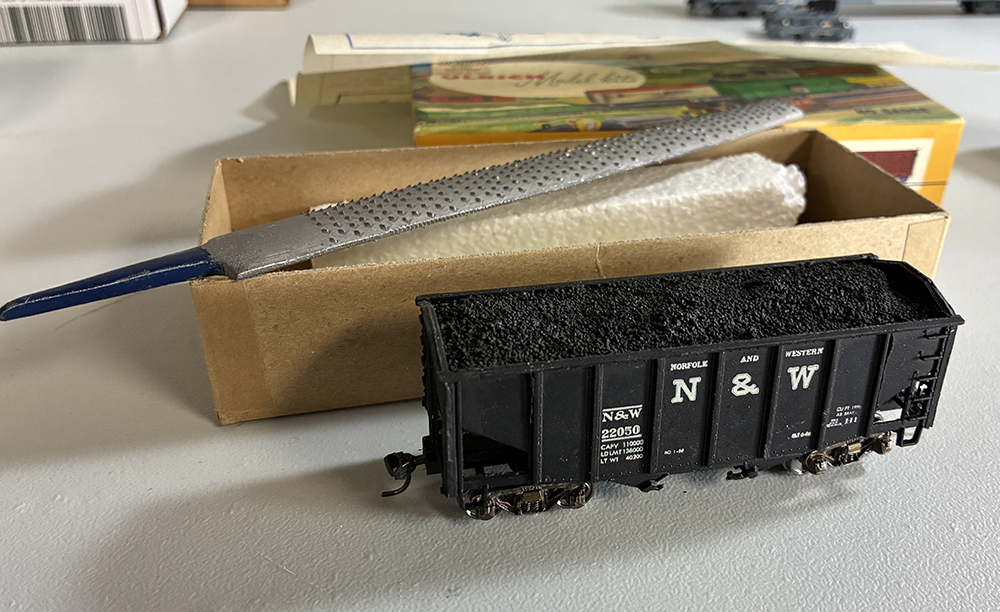
Rich Prorok displayed an Ulrich N&W high end hopper car he reworked. He also displayed and described how he made coal loads for his coal cars.
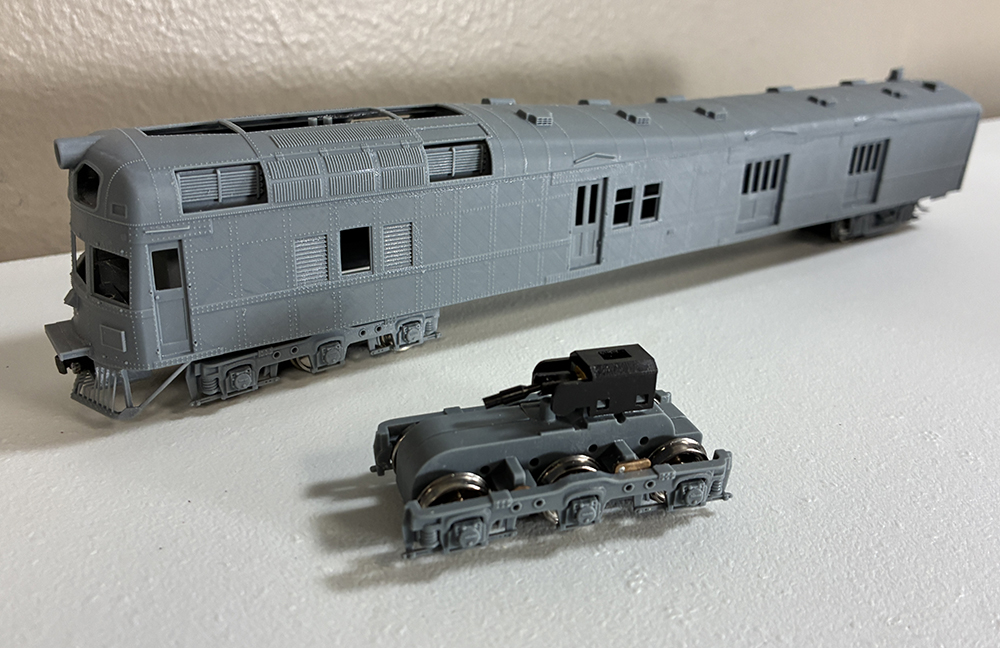
Dave McMulllian displayed a 3D print project he is working on. It is the B&M diesel car 1140, the Sacred Cow. It includes a design for a 3 axle power truck. He made the components using a 3-D printer he just purchased. This was his first big item try.
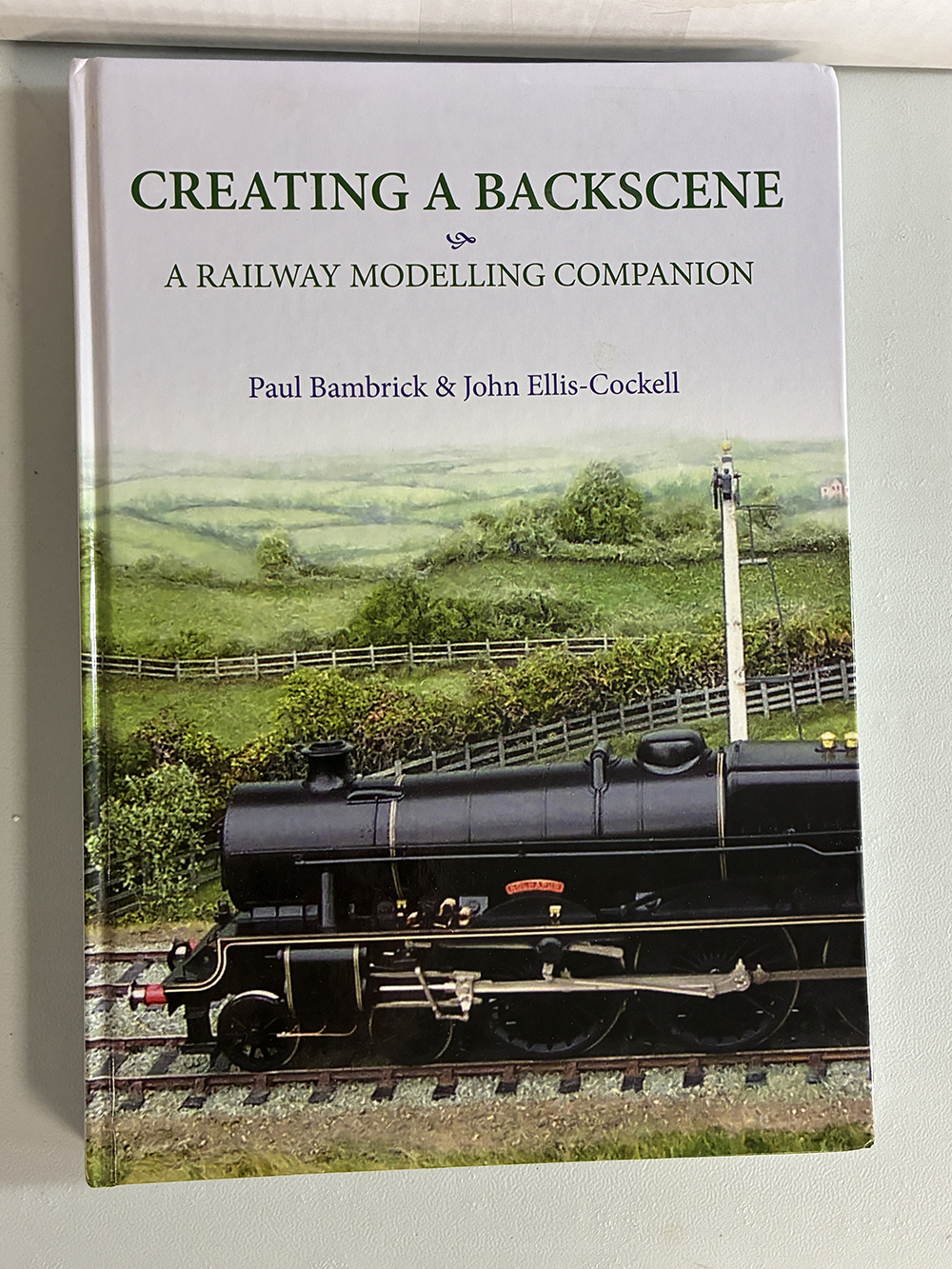
Paul Kemner displayed and recommended a UK publication on how to make background scenes.
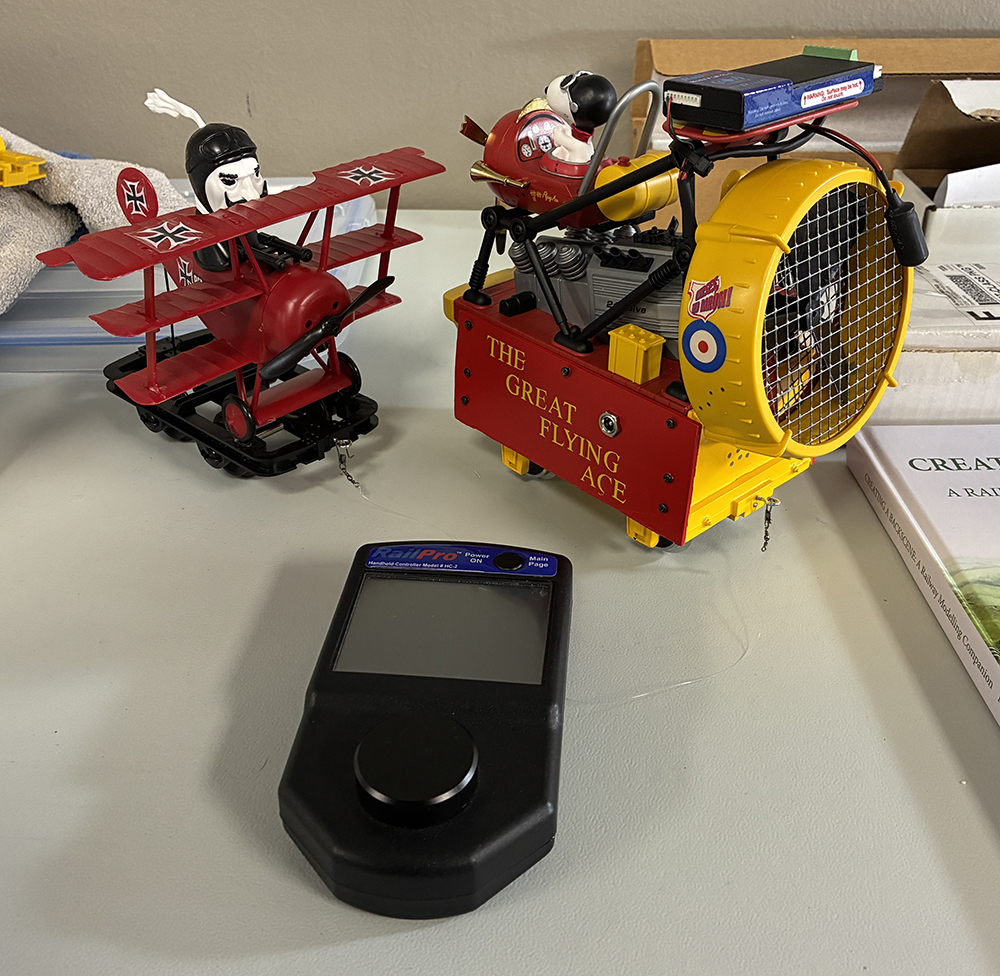
Nancy Whitehill displayed a home-made novelty G-gage Loco depicting the Peanuts character Snoopy. It was made to run on rails or the floor using a remote control device rather than track power. She also showed us a model of a WWI 3 wing triplane with the Red Baron which would follow Snoopy using a filament. It also ran on the floor using a remote control device. A big hit with the membership!
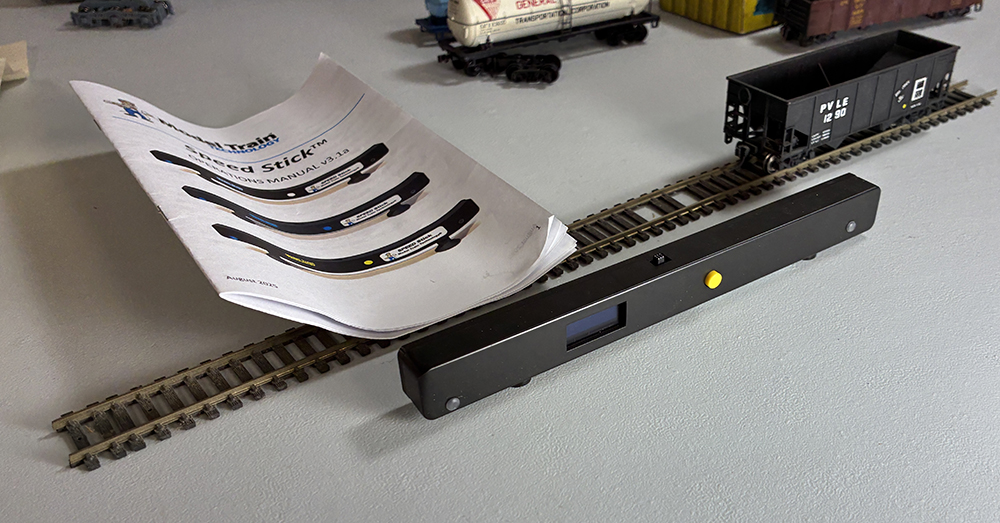
Tony Kukwa displayed a train speed indicator he purchased. It can measure MPH, and FT/SEC.
A New Tool in the Toolbox
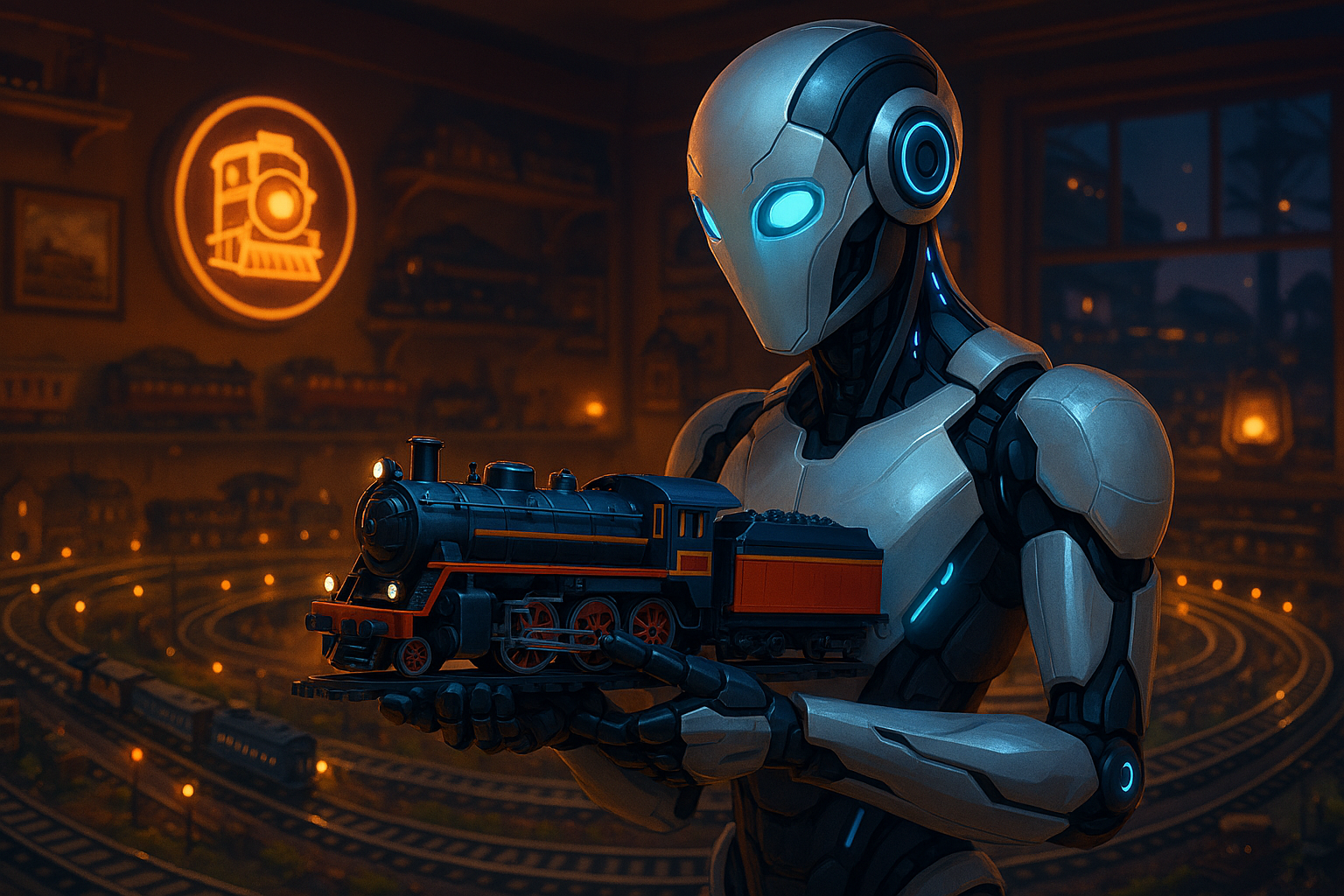
Many of us enjoy model railroading precisely because it is a hands-on hobby. We build things with our hands, solve problems at the workbench, and learn from each other's experience. Because of that, new technology-especially something like "AI", can sound unnecessary or even a little intimidating. The good news is that AI does not replace any of the skills or craftsmanship that make the hobby enjoyable. In fact, it can simply act as another tool to help us solve modeling problems.
Think of AI as a very fast research assistant. When you are trying to figure out how to weather a freight car, wire a turnout, or scratchbuild a structure, AI can quickly gather ideas and techniques that other modelers have used. Instead of searching through dozens of websites or videos (which can take hours not to mention those dredded rabbit holes), you can ask a simple question and receive several possible approaches in a matter of seconds.
AI can also be helpful when researching prototype information. For example, if you want to know how a certain industry was served by railroads, what loads might be carried on a flat car, or what types of freight cars were common in a particular era, AI can summarize information and point you toward useful sources.
Another practical use is troubleshooting. If you run into a wiring problem, a DCC issue, or a scenery technique that isn't working the way you expected, AI can suggest things to check or offer alternative methods that other modelers have tried.
None of this replaces the value of experience, experimentation, and conversation with fellow modelers. In fact, the best ideas still come from discussions at meetings, clinics, and around the workbench. AI is simply another way to gather ideas-much like reading a magazine article or asking a question at a club meeting.
In the end, model railroading remains a hobby built on creativity and craftsmanship. Tools may change over time, but the enjoyment of building and sharing our railroads is still the same. If used thoughtfully, AI can simply help us discover a few new tricks for solving some of those old modeling problems.
Upcoming Events
If you know about an event happening in our division (or nearby), please let us know so we can make everyone aware. If a club is having an open house, setup, or other activities, we could help promote it!